You may have seen an AED mounted on the wall at your gym, your church, or an airport terminal. But do you know what it does, or how simple it truly is to use? An automated external defibrillator, or AED, is a portable device that can analyze a person's heart rhythm and deliver an electric shock to restore a normal heartbeat during sudden cardiac arrest.
How an AED Works
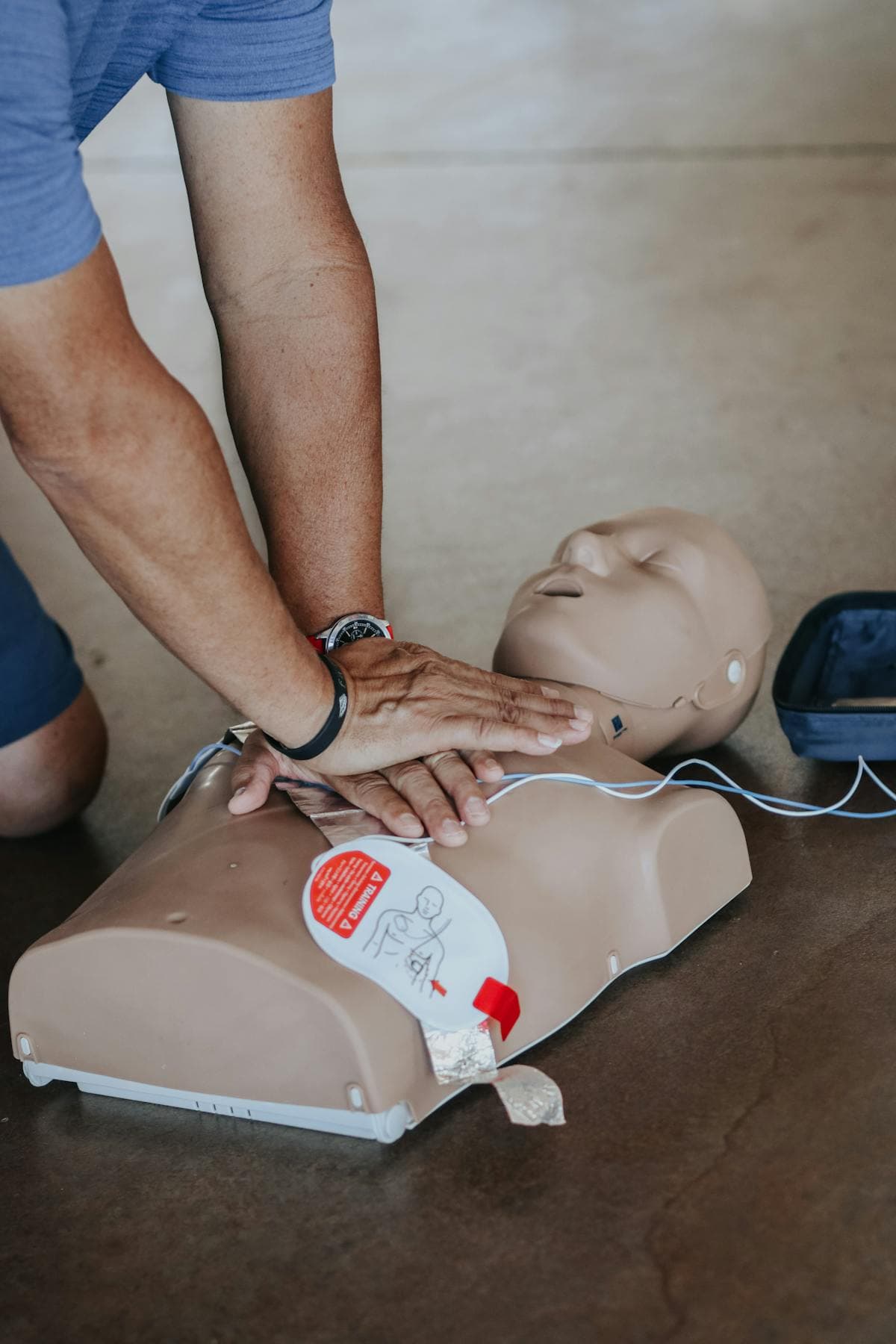
An AED is designed to be used by anyone, even someone with no medical training. When you open the device and place the adhesive pads on the person's chest, the AED automatically analyzes the heart rhythm. If it detects a life-threatening arrhythmia such as ventricular fibrillation, it will prompt you to press a button to deliver a controlled electrical shock. If a shock is not needed, the device will not allow one to be delivered. You truly cannot make a mistake.
Why Every Minute Counts
During sudden cardiac arrest, the heart stops pumping blood effectively. For every minute that passes without defibrillation, the chance of survival drops by seven to ten percent. By the time an ambulance arrives, which can take eight to twelve minutes or longer in rural areas, it may be too late. That is why having an AED nearby and someone willing to use it can make the difference between life and death.
Where AEDs Are Commonly Found
AEDs are increasingly available in public spaces. You will find them in churches, schools, gyms, community centers, airports, shopping malls, and office buildings. Many states have laws encouraging or requiring AEDs in certain public locations. Knowing where the nearest AED is before an emergency happens is one of the simplest things you can do to be prepared.
Anyone Can Use One
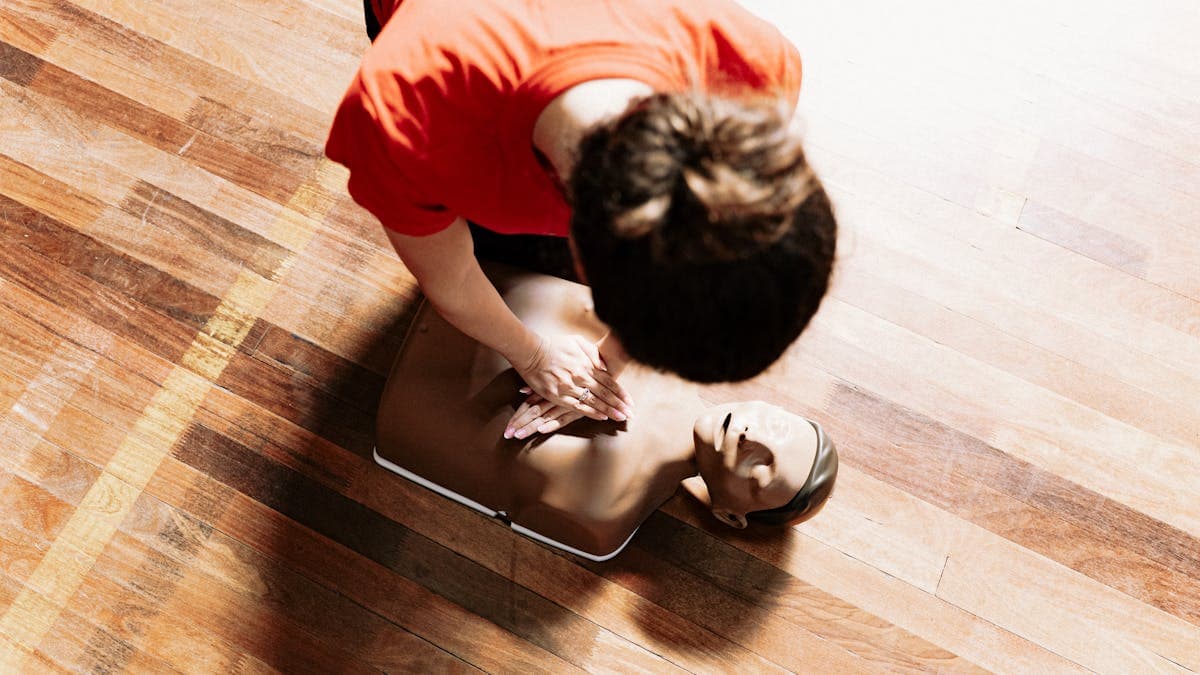
Modern AEDs feature clear voice prompts that guide you through every step, from placing the pads to standing clear before a shock is delivered. The device does the thinking for you. All you have to do is turn it on and follow the instructions. When paired with CPR, early defibrillation dramatically increases the odds of survival. That is why the best CPR training courses also include hands-on AED practice, so you feel confident using both skills together when it matters most.
AED Training and CPR Go Hand in Hand
CPR keeps blood flowing to the brain and vital organs, while an AED works to restore the heart's normal rhythm. Together, they form the strongest links in what emergency professionals call the chain of survival. Learning both skills in a single training session means you walk away ready to act with confidence. You do not need to be a paramedic. You just need to be willing to help.