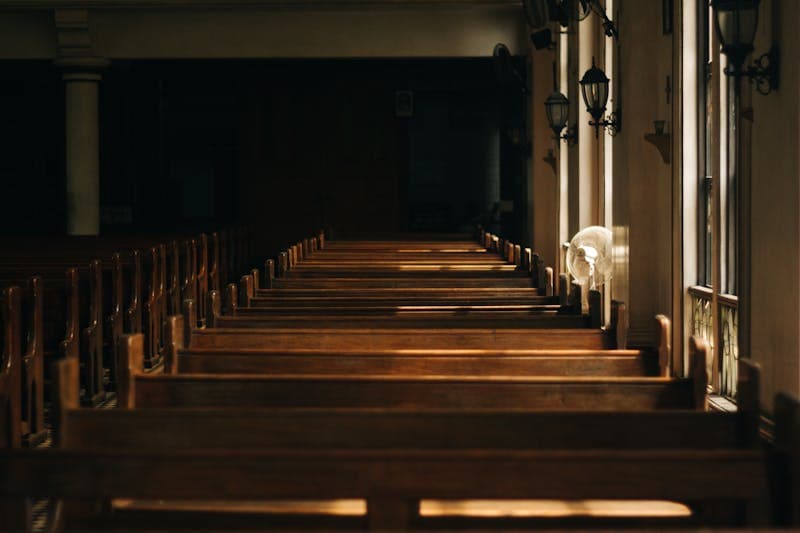
Churches are places of gathering, community, and care. On any given Sunday, you might find infants in the nursery, teenagers in youth group, and older adults who have been sitting in the same pew for decades. That beautiful mix of ages and stages also means churches carry a unique responsibility when it comes to health and safety.
A Uniquely Vulnerable Setting
Many churchgoers are older adults, and cardiac events are more common with age. Services can draw hundreds of people into a single room, often in buildings that are not located near a hospital or fire station. When something goes wrong, the minutes between a cardiac emergency and the arrival of first responders can feel like an eternity.
Having trained people in the room changes everything. A congregation where even a handful of members know CPR is a congregation that is ready to act when it matters most.
Why Annual Training Matters
CPR skills fade faster than most people realize. Research shows that confidence and technique both decline within a few months of training. An annual refresher keeps those skills sharp and ensures that new members of the congregation get trained as well.
Think of it the same way you think about a fire drill. You practice not because you expect a fire every week, but because you want to be ready if one ever happens.
More Than a Class — A Community Experience
One of the unexpected benefits of group CPR training is how it brings people together. Learning a life-saving skill side by side creates a sense of shared purpose that goes beyond a typical fellowship event. It is practical, meaningful, and surprisingly fun.
- Small groups and ministry teams can train together
- Youth groups gain a sense of responsibility and confidence
- Parents in the children's ministry feel more prepared
- Greeters and ushers become an informal safety team
Getting Started Is Simple
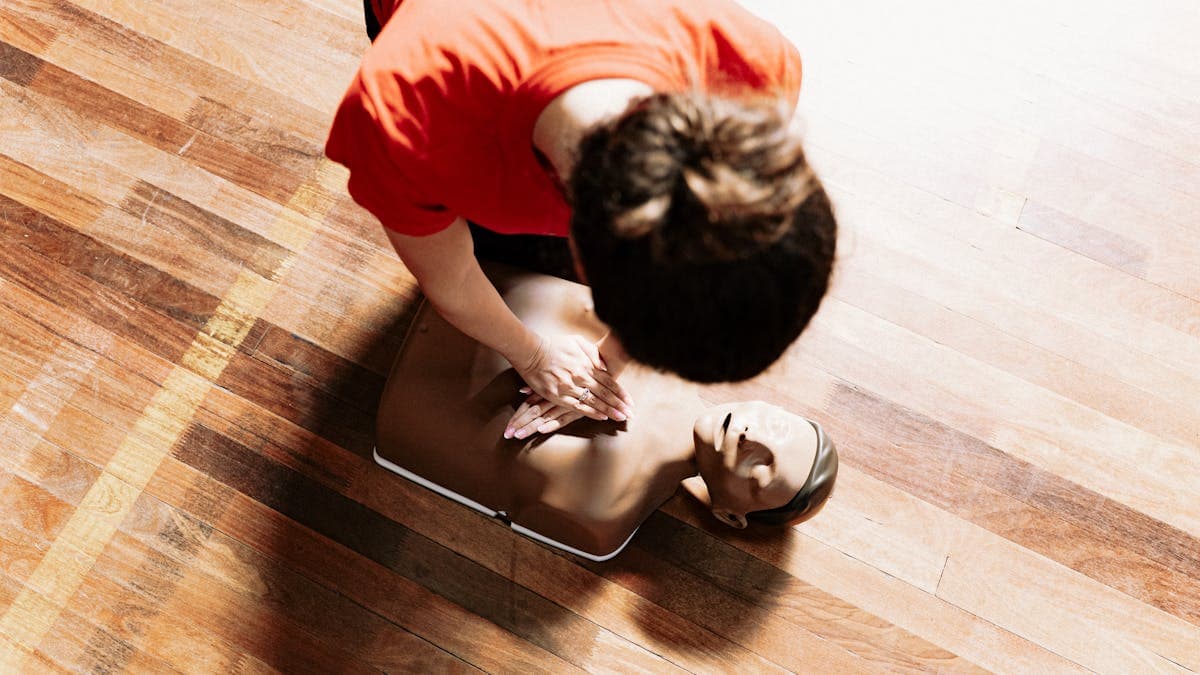
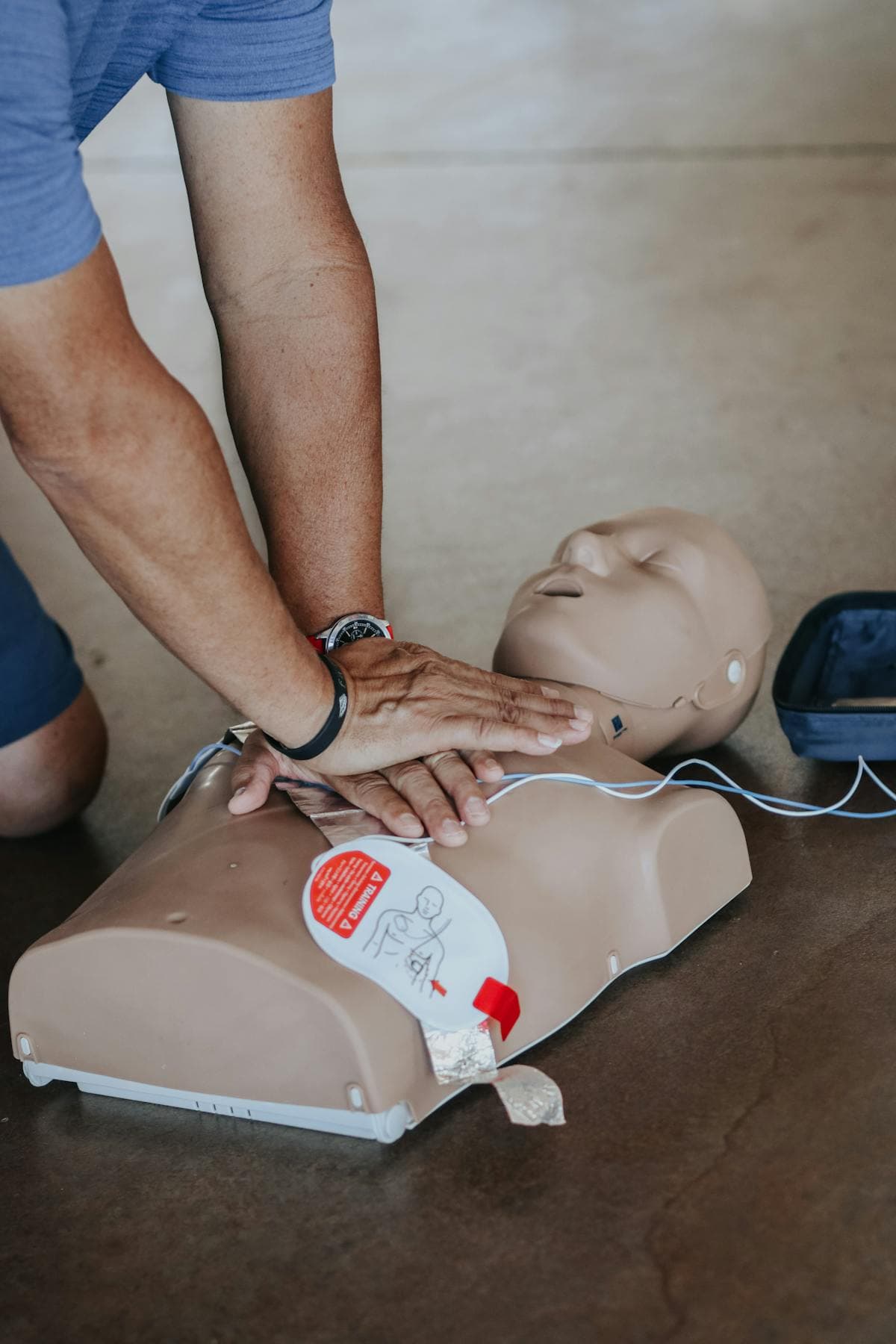
You do not need to overhaul your church calendar. A single training session can be scheduled after a service, during a midweek gathering, or as part of an annual health and safety day. Most sessions take about two hours and require nothing more than a room with enough space for participants to kneel on the floor.
Start by talking to your pastor or church leadership team. Identify a coordinator, pick a date, and reach out to a local CPR training provider who can come to your location.
Caring for One Another
At its heart, CPR training is an act of love. It says to the person sitting next to you, "If something happens, I want to be ready to help." That is a message that fits right at home in a church community. When we equip ourselves to care for one another in an emergency, we live out the call to love our neighbors in one of the most tangible ways possible.